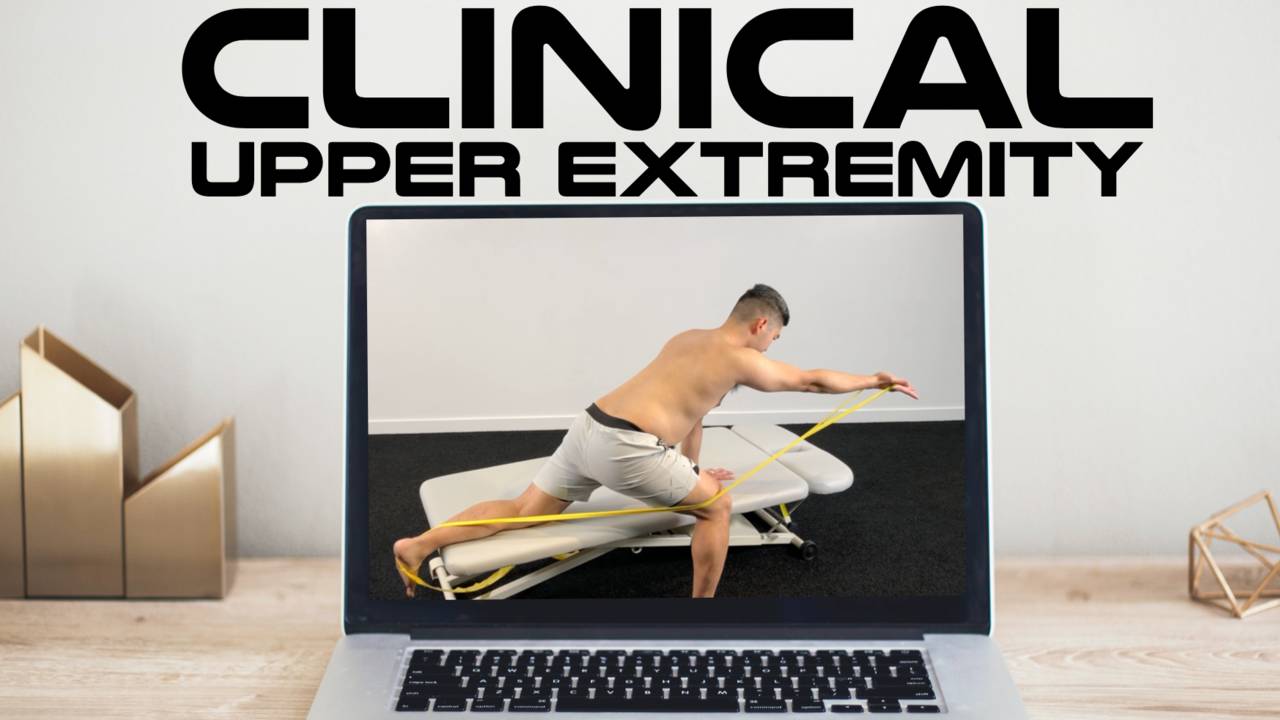
Clinical Upper Extremity
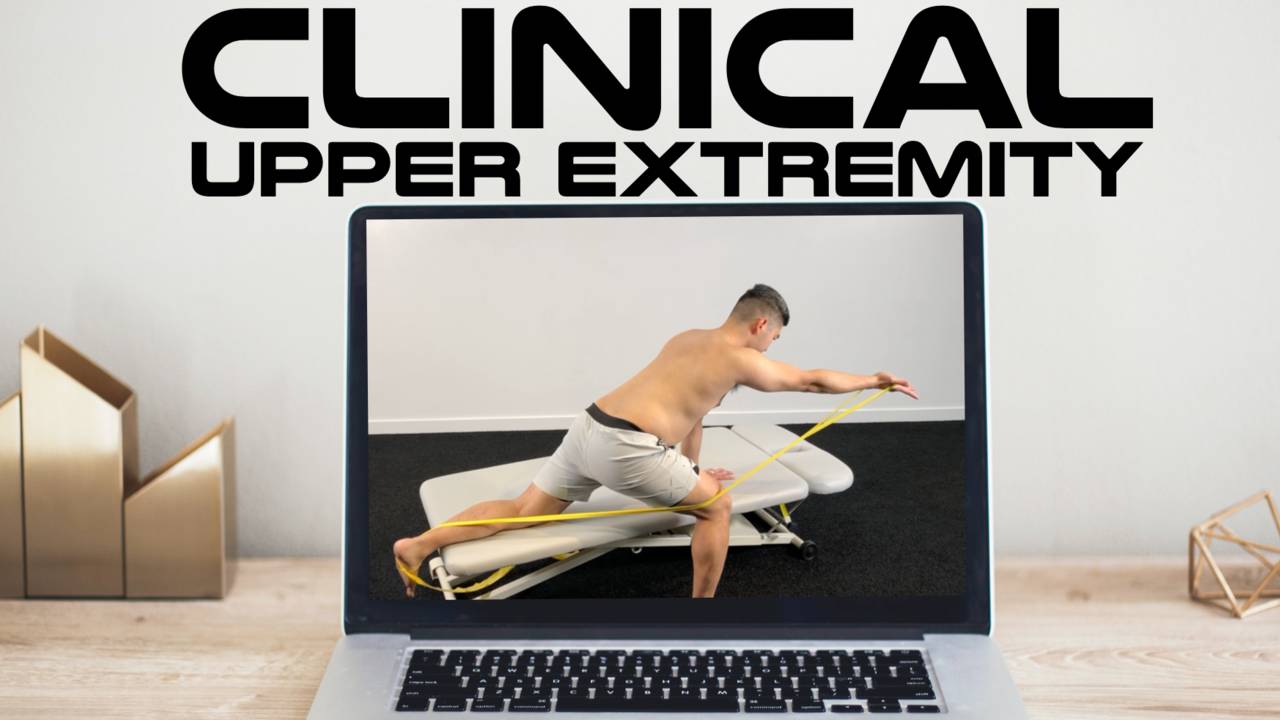
The Scapula: The Foundation of Upper Extremity Function
Why the Scapula Deserves More Attention
When patients complain of shoulder pain, clinicians often focus on the rotator cuff, labrum, or glenohumeral joint.
However, one of the most influential structures in upper extremity function is often overlooked: the scapula.
The scapula serves as the platform from which the shoulder operates. Without proper scapular positioning and control, even a structurally healthy shoulder may become dysfunctional.
Scapular Dysfunction and Common Symptoms
Poor scapular mechanics can contribute to:
Shoulder impingement
Rotator cuff irritation
Neck pain
Thoracic tightness
Reduced athletic performance
Loss of overhead mobility
Many patients develop compensatory movement strategies that appear normal during daily activities but become problematic under increased load.
Understanding Dynamic Stability
Dynamic stability refers to the ability of a joint to maintain optimal alignment while moving.
The shoulder relies heavily on dynamic stability because it sacrifices structural stability for mobility.
The Clinical Upper Extremity course teaches clinicians how to assess and restore this balance through progressive movement strategies.
Key Movement Patterns for Scapular Development
Low Oblique Sit to High Oblique Sit
This progression develops:
Scapular loading capacity
Trunk integration
Shoulder stability
Functional pressing mechanics
Medio-Humerus Side Bridge
This exercise challenges:
Shoulder stabilization
Rotational control
Scapular positioning
Lateral chain integration
Supine 90/90 Roll with Shoulder Abduction and External Rotation
This movement improves:
Rotational control
Scapular external rotation
Neuromuscular coordination
Core-to-shoulder integration
The Connection Between Stability and Mobility
Many clinicians mistakenly believe mobility and stability are opposing qualities.
In reality, the body requires both.
Insufficient mobility limits movement options, while insufficient stability creates compensations.
The GRIP Approach teaches clinicians how to restore both simultaneously through targeted interventions and movement-based rehabilitation.
Clinical Benefits
When scapular function improves, clinicians often observe:
Better shoulder range of motion
Reduced pain
Improved posture
Enhanced athletic performance
Greater treatment durability
Building Better Outcomes Through Movement
By viewing the shoulder as part of a larger movement system, clinicians can create more effective rehabilitation strategies that address underlying dysfunction rather than simply treating symptoms.
👉 Ready to Learn More?
Explore the full methodology and training opportunities at:
👉 GRIP Approach
Or secure your spot in the virtual course:
👉 GRIP Clinical Complete Coursework