
Clinical Spine
Why Most Spine Rehabilitation Programs Fail to Create Long-Term Results
Every healthcare provider has experienced the same frustrating scenario.
A patient presents with neck pain, headaches, thoracic stiffness, or low back pain. Treatment reduces symptoms. Mobility improves. The patient feels better.
Then a few weeks later the symptoms return.
The problem is rarely that the treatment was ineffective.
The problem is often that the underlying dysfunction was never properly identified.
Many continuing education programs focus on treatment techniques before teaching clinicians how to systematically classify movement dysfunction. As a result, practitioners accumulate interventions without developing a clear clinical decision-making process.
At GRIP Approach, we believe successful rehabilitation begins long before treatment.
It begins with understanding why movement has become dysfunctional in the first place.
The Missing Step in Traditional Rehabilitation
Most healthcare professionals are trained to identify symptoms.
Fewer are trained to classify movement deficits.
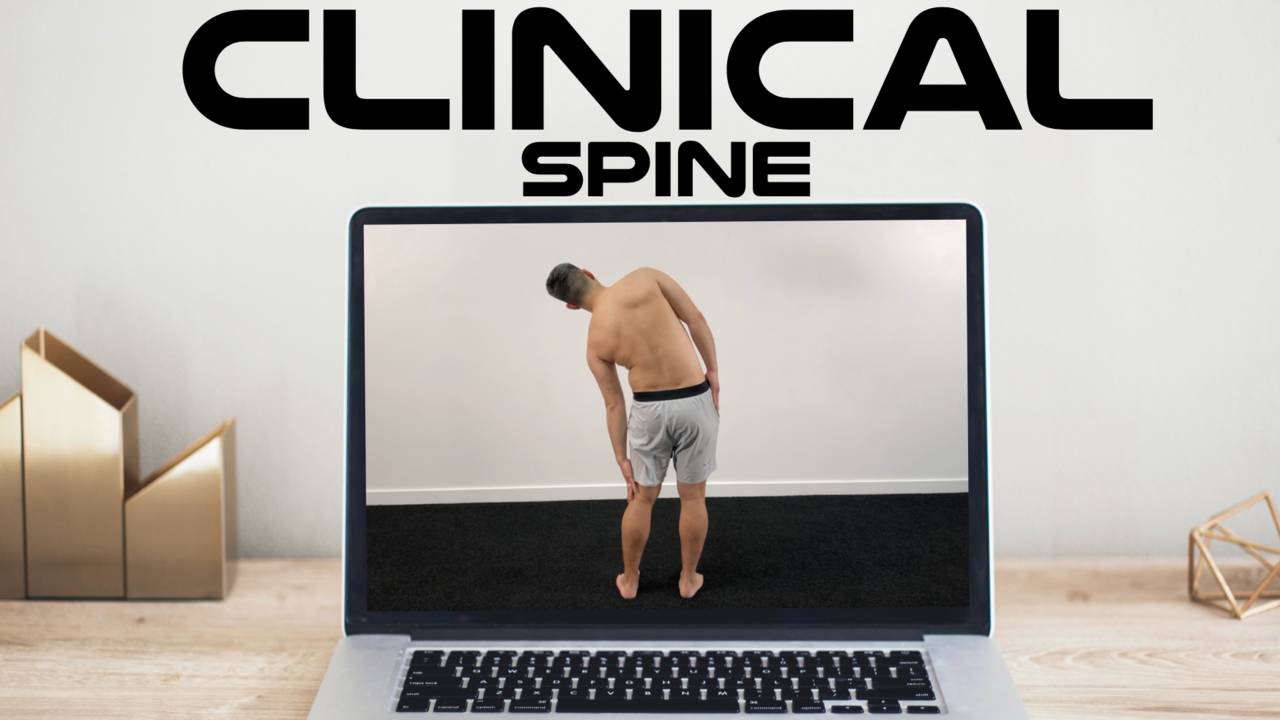
The Clinical Spine Course introduces clinicians to the GRIP 3-Part Framework, a structured system designed to evaluate movement, classify dysfunction, and guide treatment planning. Rather than simply asking where pain exists, clinicians learn how to identify the specific mechanisms limiting movement and function.
Through functional Range of Motion (fROM) testing, providers assess controlled movement throughout the cervical, thoracic, lumbar, and pelvic regions while observing movement quality, stability, and compensation patterns.
Understanding the Three Causes of Movement Dysfunction
One of the most powerful concepts taught within the Clinical Spine curriculum is the classification of movement deficits.
When a patient demonstrates restricted motion, the deficit generally falls into one of three categories:
Category 1: Articular Dysfunction: Joint restrictions, degenerative changes, arthritis, or functional articular lesions may limit movement capacity.
Category 2: Overt Tissue Injury: Sprains, tears, overuse syndromes, and tissue extensibility disorders may create pain and movement limitations.
Category 3: Motor Control Deficits: Neurological dysfunction, altered movement planning, fear avoidance behaviors, or developmental movement deficiencies may prevent proper movement execution.
The distinction is critical because each category requires a completely different treatment strategy.
Why Correct Classification Matters
Many clinicians fail because they apply the correct intervention to the wrong problem.
Joint dysfunction requires a different treatment approach than tissue injury.
Tissue injury requires a different approach than motor control dysfunction.
The GRIP Approach provides a framework that helps clinicians accurately classify movement deficits and select interventions that align with known healing mechanisms.
This dramatically improves treatment efficiency and patient outcomes.
Finding a deficit is only the beginning.
The Clinical Spine Course teaches providers how to:
Develop treatment plans
Establish realistic expectations
Create rehabilitation progressions
Apply proper dosing strategies
Measure progress objectively
Modify care when patients fail to respond as expected
This level of clinical reasoning transforms assessment findings into meaningful patient outcomes.
When clinicians enroll in the GRIP Clinical Spine Course, they receive access to an entire educational ecosystem.
Students gain:
Immediate access to Foundations of GRIP
Clinical Spine Virtual Training
Technique Library Videos
CEU Opportunities
Private Online Communities
The result is a complete pathway from foundational education to advanced clinical application.
Great outcomes are rarely the result of one technique.
They are the result of a repeatable system.
The Clinical Spine Course teaches clinicians how to think systematically, assess confidently, and create treatment plans that produce lasting results.
👉 Ready to Learn More?
Explore the full methodology and training opportunities at:
👉 GRIP Approach
Or secure your spot in the virtual course:
👉 GRIP Clinical Complete Coursework