Expert In-Service Trainings
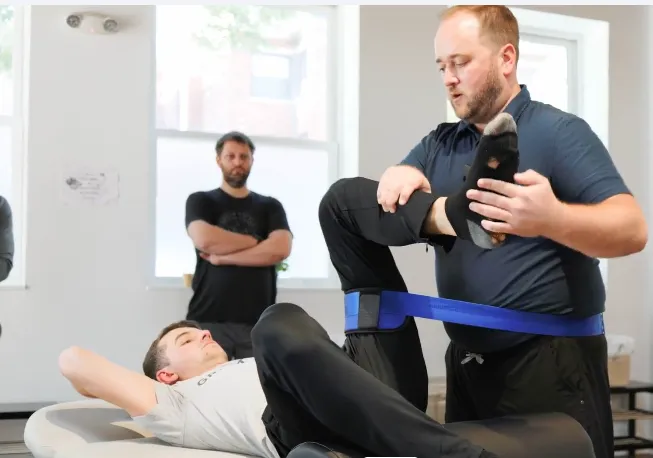
Dr. Benjamin Fergus offers focused trainings for clinics, rehab teams, and professional events built around the GRIP Approach: a structured clinical operating system for assessment, treatment, and rehabilitation. These sessions are designed to help teams create more consistent evaluation workflows, stronger treatment planning, and clearer progressions from table to training floor.
Practical format for clinics that want
Monday-morning implementation
Each in-service can be tailored for a single clinic, a multi-provider team, or a convention audience. The content below mirrors the core GRIP themes already presented across the current website and organizes them into speaking and training topics.
Assessment
Reassessment that actually drives care
Ideal for teams that want to tighten how they measure change visit to visit, identify what matters most, and reduce guesswork in complex cases.
Rehabilitation
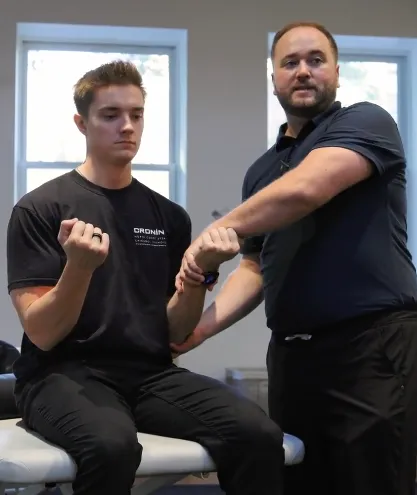
From table work to functional progressions
Sessions can help teams connect manual care with exercise progressions so treatment feels coordinated instead of fragmented across providers and visits.
Rehab systems for repeatable outcomes
These in-services can outline how to build progressions that are teachable to staff, understandable to patients, and aligned with a clinic’s broader care model.
Care for Degenerative Joints
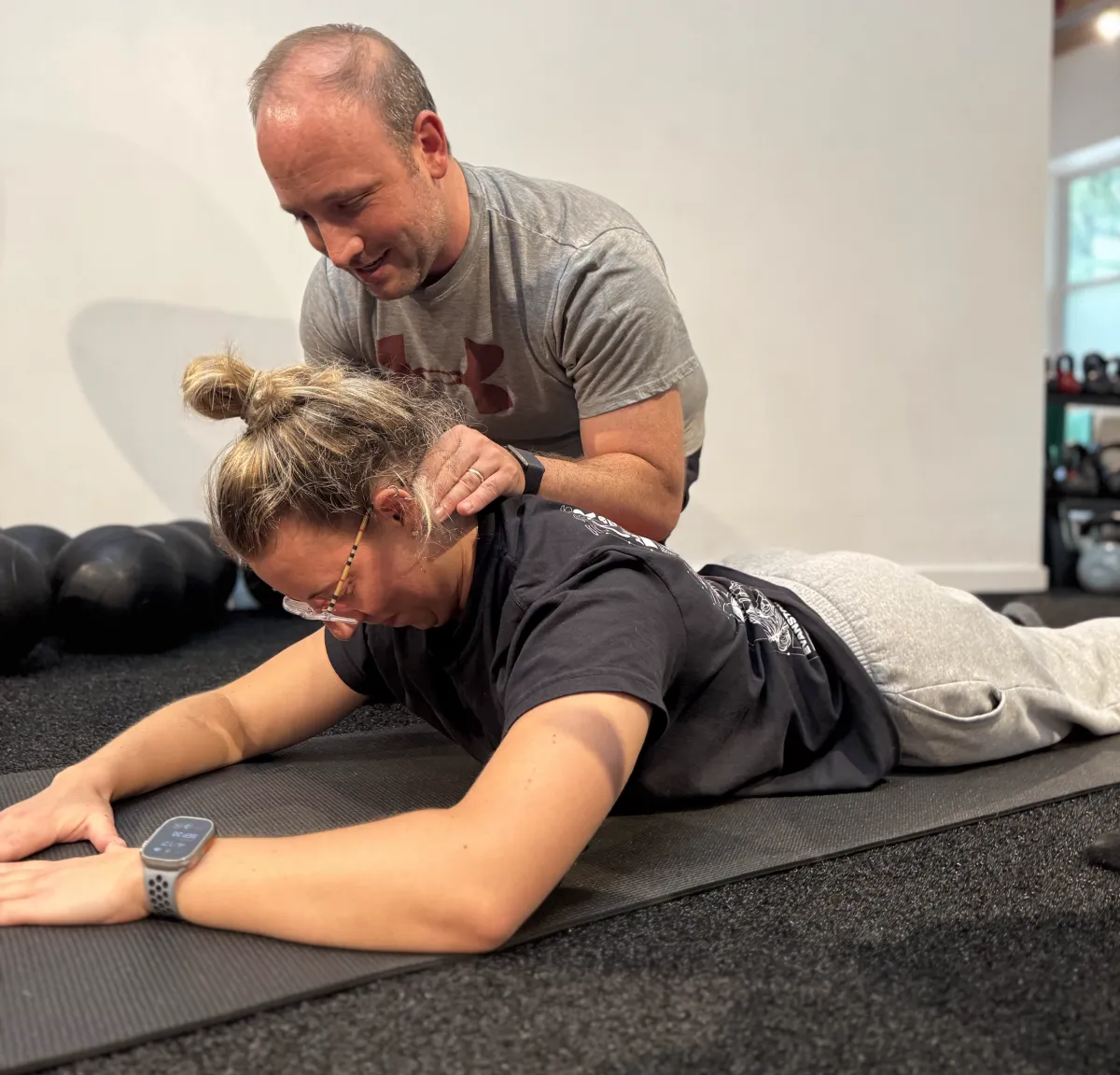
Practical care models for hip, knee, and shoulder cases
This topic works well for clinics that want plug-and-play frameworks for degenerative joint care and for events centered on non-surgical options.
Building confidence with chronic joint presentations
Dr. Fergus can speak to assessment, treatment sequencing, and rehabilitation planning for providers who want to become known for high-level non-surgical joint care.
Shockwave Therapy
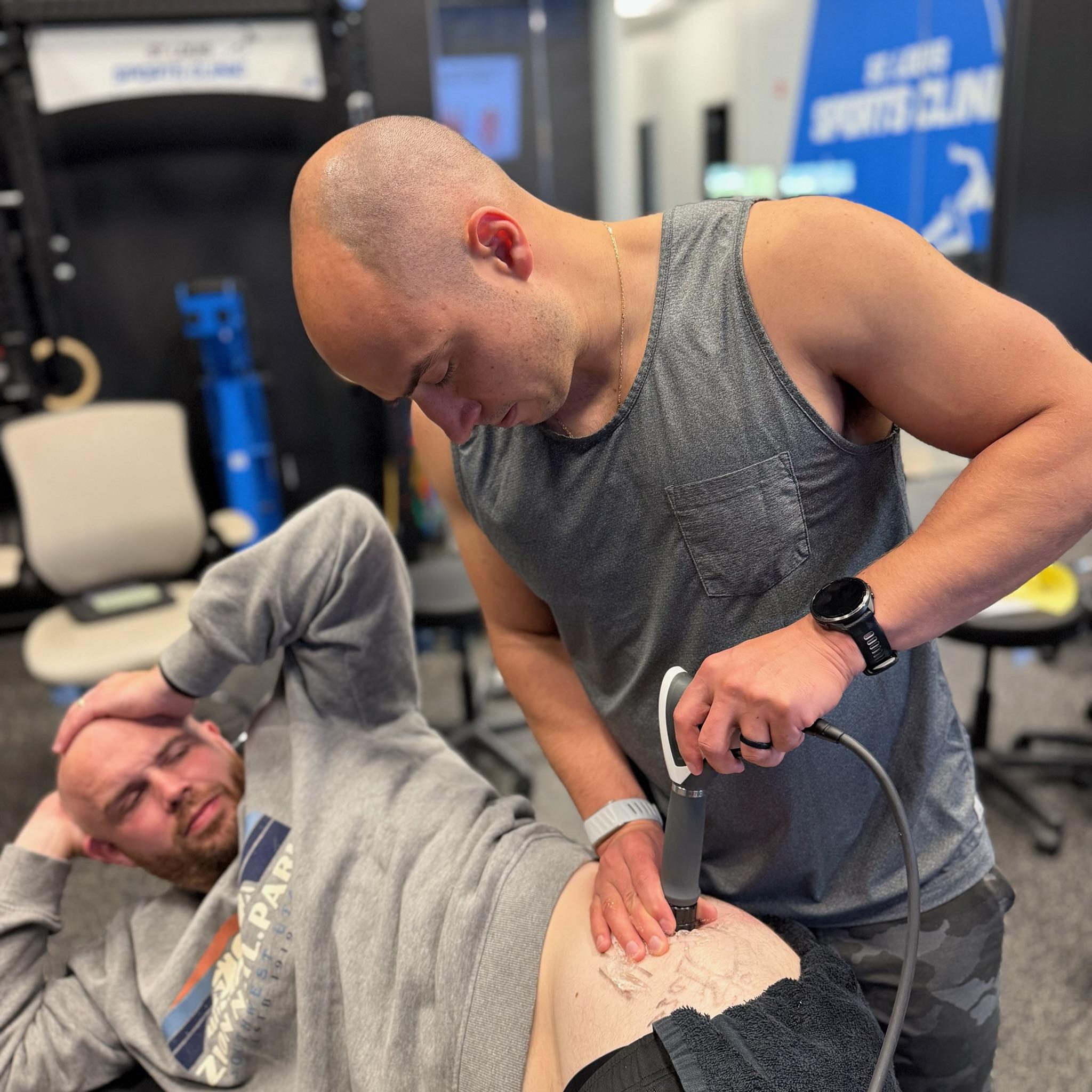
How shockwave fits inside the full plan
Rather than teaching shockwave in isolation, the in-service can show where it belongs inside a broader framework that includes evaluation, tissue and joint intervention, and rehab progressions.
Better integration, better messaging
Teams can learn how to position shockwave within patient care plans and communicate its role clearly when discussing expectations, timelines, and next steps.
Testimonials
Dr. Tyler Armstrong & Tiffany Armstrong
from Sioux Center Chiropractic
Dr. Tim Sullivan
from St. Louis Sports Clinic
Dr Mark King & Dr. Jessica Kowalski
from Mt. Lookout Chiropractic & Sports Injury Center
Add Subtext text. Click "Edit Text" to update the font, size and more.
To change and reuse text themes, go to Site Styles.
Interested in an in-service at your clinic?
Please fill in the information below